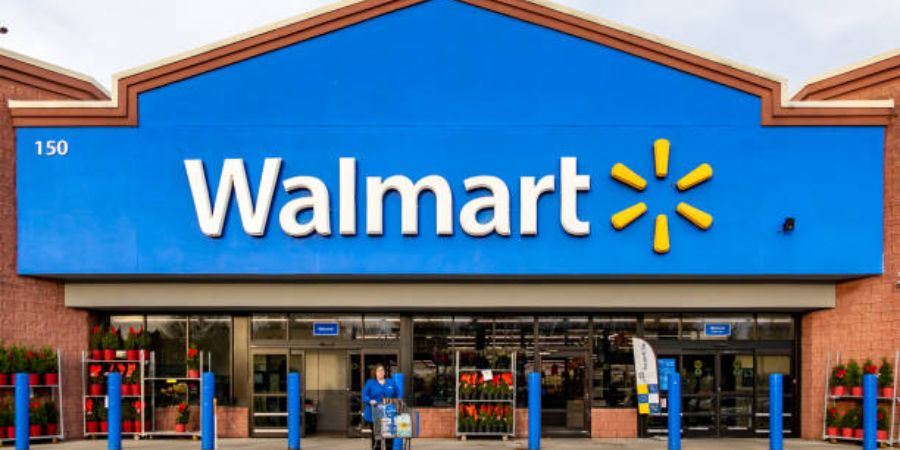
When a retailer reaches a market valuation north of $1 trillion, the achievement signals more than investor enthusiasm. It demonstrates a sustained shift in strategy, execution, and market perception. Walmart just crossed that threshold after a decisive run powered by digital upgrades, advertising growth, and heavy investments in artificial intelligence.
What this article lays out is a clear playbook for leadership and operators: convert technology into margin, squeeze efficiency out of last-mile delivery, monetize the in-store digital footprint, and protect brand trust. Each of these moves matters if Walmart $1 trillion status is to be durable. Walmart $1 trillion is an achievement. Remaining there will be the test.
Turn Tech into Profit, Not Just Capability
Walmart has spent heavily on AI, machine learning, and search-driven commerce tools. Those investments are already reshaping forecasting and inventory, but the next step is translating efficiency into recurring margin.
The company must push paid services like Walmart+, premium fulfillment fees, and its advertising platform toward consistent profit contributions. Investors rewarded the shift, which helped lift Walmart $1 trillion into view.
Compress Last-mile Costs While Protecting Value
Grocery and general merchandise are low-margin by nature. To maintain valuation, Walmart needs to compress last-mile costs and make store-fulfilled e-commerce a net contributor. Expanding store coverage, increasing order density per trip, and automating picking will reduce delivery cost per order.
If Walmart executes this, the chain will prove how omnichannel retail strategy can be a durable profit engine rather than a growth line item. omnichannel retail strategy sits at the core of the transition from retail legacy to modern retailer.
Monetize the Store Network and Ad Business
Walmart’s physical footprint is its secret weapon. Turning in-store data and shopper intent into targeted ad inventory and marketplace fees will drive higher gross margins. The advertising business already shows promise.
The company must keep refining ad measurement and cross-channel attribution so marketers see measurable ROI. Delivering that clarity will make the omnichannel retail strategy more attractive to brands and further solidify Walmart $1 trillion credibility.
Pricing, Assortment, and the Value Proposition
Value-seeking consumers fuel Walmart’s volumes. The firm must avoid margin destruction through price wars while protecting the low-price promise. Smarter assortment, focusing on high-velocity, higher-margin SKUs and private-label expansion, will increase average basket profitability.
The goal is simple: defend the brand as the everyday low-price leader while nudging shoppers toward higher-margin categories. That is central to how Walmart can stay a $1 trillion company.
Talent, Culture, and Leadership Execution
Strategy without execution is noise. Walmart’s leadership transition and executive priorities must align around measurable KPIs: delivery cost per order, ad ARPU, online gross margin, and same-store profit growth.
Investment in upskilling store managers and data teams is vital. If teams see targets tied to profit, not vanity metrics, Walmart will convert capability into performance. This is how how Walmart can stay a $1 trillion company becomes operational reality.
Guardrails: Ethics, Regulation, and Trust
AI and data monetization raise regulatory and reputation risks. Clear policies on customer data, transparent use of AI in pricing and hiring, and proactive consumer protections will preserve trust.
Investors will not pay premium multiples for a company repeatedly in the headlines for ethical lapses. Trust is as much a financial asset as a distribution network when the conversation is about remain a $1 trillion company.
Risks that Matter
External shocks such as inflation shifts, a slowdown in consumer spending, or renewed competition from nimble discounters can trim margins quickly.
Walmart must maintain a nimble budget posture and keep capital allocation disciplined. A disciplined approach will help the company remain a $1 trillion company even when cycles turn.
The Verdict
Walmart’s rise to a $1 trillion valuation is not accidental. It is the result of deliberate investments in technology, ad monetization, and omnichannel operations.
To remain a $1 trillion company, it must now prove that those investments drive consistent margin expansion and predictable earnings growth. Execution on last-mile economics, stronger private labels and assortment, and responsible AI use are the pillars. This is not a checklist to be done once. It is an operating discipline that will determine whether how Walmart can stay a $1 trillion company is a headline or a long-term reality.