Combining classic period features with clean, modern lines creates a home that feels both deeply historic and effortlessly contemporary. Rather than choosing between strict architectural preservation and updated living, an eclectic approach allows you to highlight traditional detailing while integrating modern furnishings. By applying thoughtful eclectic home decor tips, you can transform historic rooms into inviting, functional spaces tailored to today’s lifestyle.
Eclectic design traces its roots to nineteenth-century Europe, originating from the Greek word eklektikos, which means “selective.” The style took shape in Paris during the late nineteenth and early twentieth centuries at the École des Beaux-Arts, where architecture students blended traditional historical forms with modern flourishes. American architects trained at the school later brought this approach back to North America. Today, this philosophy offers a blueprint for blending different eras into one harmonious look.
Preserving Architecture While Bringing in Modern Comforts
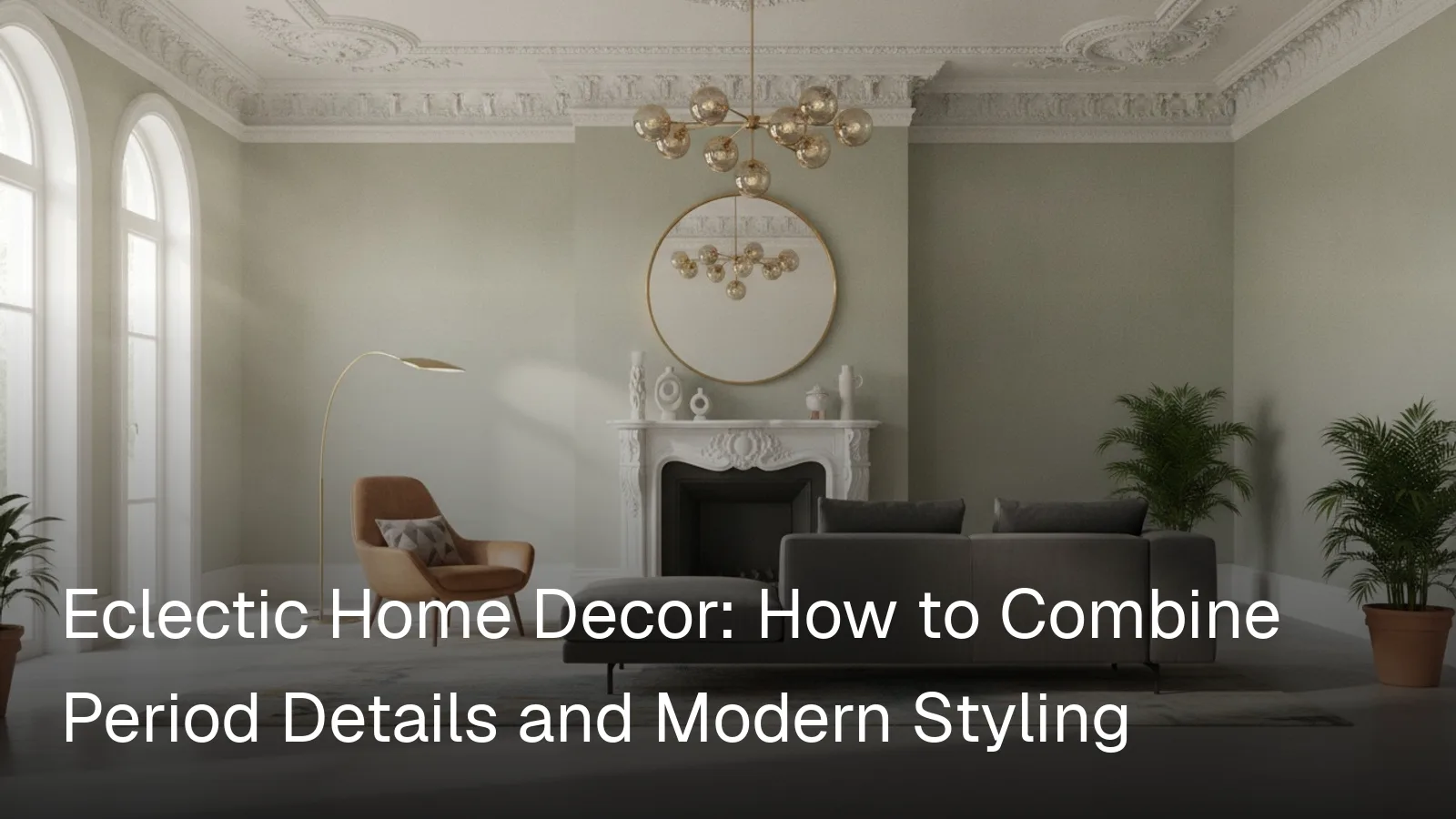
When undertaking period home styling or executing Victorian cottage renovation ideas, the key is honoring original architectural bones while adapting the space for everyday modern use. Victorian properties often feature ornate moldings, high ceilings, decorative fireplaces, and narrow floor plans. Rather than removing these historic signatures, build your room around them as permanent focal points.
In real-world projects, homeowners often make deliberate tradeoffs between room size and location. For example, fashion stylist Vivienne Gidakos opted to sacrifice space when purchasing her Victorian cottage in order to stay close to nearby galleries and cafes. During her renovation, she embraced unexpected choices, including adding clothes storage right in the ensuite and introducing bold elements like colored baths and textured textiles.
To balance historic elements with contemporary needs, consider these structural approaches:
- Retain original woodwork and moldings: Preserve ceiling roses, deep baseboards, and ornate plasterwork. Painting them in fresh neutrals or unexpected soft shades can make traditional details pop alongside modern silhouettes.
- Highlight fireplace mantels: Keep vintage fireplaces as decorative centerpieces, placing sleek, low-profile sofas or minimalist lighting nearby to draw contrast.
- Integrate modern storage solutions: Historic homes often lack built-in closets. Use sleek, handleless cabinetry or freestanding modern wardrobes that blend into the walls without clashing with original trims.
Essential Eclectic Home Decor Tips for Layout and Balance
Successfully mixing old and new interior design requires paying careful attention to room layout. Interior designer Rita Konig notes that room layout is one of the most critical elements of interior decorating, often mattering even more than color schemes or fabric choices. A well-planned layout gives contrasting pieces purpose and prevents a room from looking chaotic.
It is also helpful to distinguish genuine eclectic design from trend-heavy approaches. Designer Kailee Blalock of House of Hive Design highlights that while trend-driven spaces are often packed with quirky accent items that constantly compete for attention, true eclectic design relies on balance. In a well-curated eclectic space, only a select few pieces serve as distinct focal points, allowing the surrounding decor to support the overall scheme.
Designer Antoinette Allande of Antoinette Allande Interiors describes eclecticism as an avant-garde approach to decorating that layers multiple styles and furnishings to create unexpected, innovative spaces. To achieve balance when planning your room layout:
- Anchor the space with major seating: Place large modern pieces, like a clean-lined sofa, central to the main architectural feature.
- Group across eras: Pair a mid-century modern armchair with a carved antique side table.
- Maintain clear pathways: Ensure traffic flow remains unobstructed, giving historical features room to be viewed from multiple angles.
Mixing Old and New Interior Design Through Textures and Finishes
Layering contrasting textures is essential when bridging the gap between smooth contemporary items and ornate vintage details. Interior designer Jennifer Adams suggests combining rough and smooth textures to add interest to a room’s aesthetic, particularly when working within a restrained color palette.
To build tactile depth across different eras, consider incorporating:
- Tactile fabrics: Combine thick weave fabrics, shaggy rugs, or plush cushions with sleek leather or smooth velvet.
- Contrasting materials: Place rough wooden treasures or rustic antiques beside smooth iron, polished chrome, or clear glass.
- Repeated elements: Adams recommends using a single texture at least three times across different spots in a home to maintain a cohesive, intentional look.
By repeating materials—such as bringing brushed brass accents into lighting, mirror frames, and hardware—you tie contemporary furniture directly into the warmth of historic woodwork.
Editing Your Collection and Using Negative Space
One of the most common pitfalls in period home styling is crowding every surface with decorative accents. An eclectic space needs breathing room so individual items can stand out.
Jennifer Adams emphasizes the importance of negative space, reminding homeowners that eyes need a place to rest. Leaving portions of tables, display shelves, or walls empty creates visual balance and highlights the items you do display. Rather than setting out an entire collection of antiques or artwork all at once, select a few favorite pieces to feature and rotate the rest seasonally or periodically.
When arranging wall displays in rooms with high period ceilings or decorative moldings, pay attention to the outline formed by your gallery wall. The negative space around your artwork shapes how the background wall reads, keeping the historic backdrop looking intentional and refined.
Frequently asked questions
How do I stop an eclectic room from looking cluttered?
Keep visual balance by using negative space on shelves, walls, and tables. Limit the number of statement pieces so only a few stand out, and group smaller items together rather than scattering them across every surface.
Can I mix furniture from completely different time periods?
Yes. Blending mid-century modern, antique Victorian, and contemporary furniture is a hallmark of eclectic design. Unify disparate eras by repeating common colors, finish tones, or fabric textures throughout the space.
How do I highlight period details without making the space feel dated?
Contrast ornate architectural details, such as ceiling roses or carved fireplace surrounds, with clean-lined modern furniture, contemporary art, and streamlined lighting fixtures.
Final Takeaways
Styling a home with eclectic charm is an evolving process of selection and balance. By honoring original architectural moldings, anchoring your layout thoughtfully, and pairing contrasting textures, you can seamlessly fuse historic charm with modern comfort. Focus on curating a few strong focal points, leave plenty of negative space, and let your home’s unique period character shine alongside your favorite modern designs.
Sources
- Sunday Life: The November 8 Edition (smh.com.au)
- Party Blazers, High-End Homewares, and All the New Launches Esquire’s Editors Loved This Week – Vanity Fair Fashion (vanityfairfashion.com)
- Smartly Explained: Everyday questions, clearly explained (smartlyexplained.com)
- Here’s How to Pull Off an Eclectic Decorating Style (elledecor.com)
- How to Create an Eclectic Room, According to a Designer | Apartment Therapy (apartmenttherapy.com)
- Guide to Eclectic Style: 6 Tips for Decorating in … (masterclass.com)
Written by
Nirmal Chhajed
Head Publisher