Technology is constantly evolving, but some of the most innovative gadgets were invented long before the world was ready for them. From touchscreen devices to wearable computers, several groundbreaking inventions introduced features that would become popular years or even decades later.
While some of these gadgets failed commercially, others influenced the development of modern smartphones, tablets, smartwatches, and gaming devices.
Let’s explore 10 gadgets that were ahead of their time and discover how they helped shape the technology we use today.
1. IBM Simon (1994) – The Smartphone Before Smartphones
Long before modern smartphones became popular, IBM introduced the Simon Personal Communicator in 1994.
This remarkable device combined mobile calling with a touchscreen, email, fax capabilities, a calendar, and other productivity features.
At a time when most mobile phones were primarily designed for calling, IBM Simon offered functionality that would later become standard in smartphones.
Why it was ahead of its time: It brought together communication and personal computing more than a decade before the modern smartphone era.
2. Apple Newton MessagePad (1993) – The Early Personal Digital Assistant
Before tablets and touchscreen smartphones became everyday devices, Apple introduced the Newton MessagePad.
The handheld device featured a touchscreen, handwriting recognition, note-taking capabilities, and personal organisation tools.
Although its handwriting recognition attracted criticism, the Newton demonstrated how portable computing could work without a traditional keyboard.
Why it was ahead of its time: It explored pen-based mobile computing years before tablets and digital styluses became widely adopted.
3. Sega Dreamcast (1998) – The Gaming Console Built for Online Play
The Sega Dreamcast launched in Japan in 1998 and reached North America in 1999.
Unlike many competing consoles of its generation, the Dreamcast included a built-in modem for online connectivity in several markets.
It supported online gaming and introduced players to connected console experiences before online multiplayer became a major feature of modern gaming systems.
Despite its innovative capabilities, the Dreamcast struggled commercially and was eventually discontinued.
Why it was ahead of its time: It helped demonstrate the potential of internet-connected console gaming.
4. Sony Glasstron (1996) – Wearable Displays Before Smart Glasses
Long before today’s interest in smart glasses and virtual reality headsets, Sony developed the Glasstron series of wearable displays.
These devices allowed users to view video content through small screens positioned in front of their eyes.
Although they were bulky compared with modern wearable technology, they offered an early glimpse into personal head-mounted displays.
Why it was ahead of its time: It introduced a wearable viewing experience years before today’s immersive headsets became more familiar.
5. Nokia N-Gage (2003) – A Smartphone and Gaming Console Combined
In 2003, Nokia introduced the N-Gage, a device designed to combine mobile communication with handheld gaming.
It featured physical gaming controls, downloadable content capabilities, and support for multiplayer gaming.
However, its unusual design, high price, and competition from dedicated handheld gaming devices limited its success.
Today, mobile gaming has become one of the largest segments of the gaming industry.
Why it was ahead of its time: It anticipated the growing importance of gaming on mobile phones.
6. Microsoft SPOT Watch (2004) – A Smartwatch Before the Smartwatch Boom
Before modern smartwatches became popular, Microsoft introduced its Smart Personal Objects Technology, or SPOT.
Compatible watches could receive information such as weather updates, news, and messages through a specialised FM radio-based service.
The concept was innovative, but the technology had limitations, including dependence on a subscription service and restricted connectivity.
Why it was ahead of its time: It introduced the idea of receiving digital information directly on your wrist.
7. Logitech io Digital Pen (2002) – Turning Handwritten Notes Into Digital Data
The Logitech io Digital Pen was designed to capture handwriting while users wrote on special paper.
Using an integrated optical sensor, the pen could record handwritten information for transfer to a computer.
Although it required specialised paper and additional software, the device offered an interesting alternative to typing notes manually.
Why it was ahead of its time: It explored the combination of traditional handwriting and digital information management.
8. Microsoft Surface Table (2007) – A Giant Touchscreen Before Tablets Took Over
In 2007, Microsoft unveiled a large interactive tabletop computer originally known as Microsoft Surface.
Unlike conventional computers, it allowed multiple users to interact directly with digital content through a horizontal touchscreen interface.
The technology was designed for environments such as hotels, retail stores, and entertainment venues.
Although its size and cost limited adoption, it demonstrated new possibilities for touch-based computing.
Why it was ahead of its time: It explored large-scale multitouch interaction before touchscreen computing became widespread.
9. Sony Rolly (2007) – The Music Player That Could Dance
Sony introduced the Rolly in 2007, combining a portable music player with robotic movement.
The egg-shaped device featured wheels, moving parts, and lights that responded to music.
Unlike conventional speakers or music players, the Rolly could move and perform coordinated motions while playing songs.
Its unusual design attracted attention, but it remained a niche product.
Why it was ahead of its time: It combined entertainment, robotics, and interactive design in a consumer gadget.
10. Google Glass (2013) – The Early Vision of Smart Glasses
Google introduced its Glass Explorer programme in 2013, offering an early look at wearable computing.
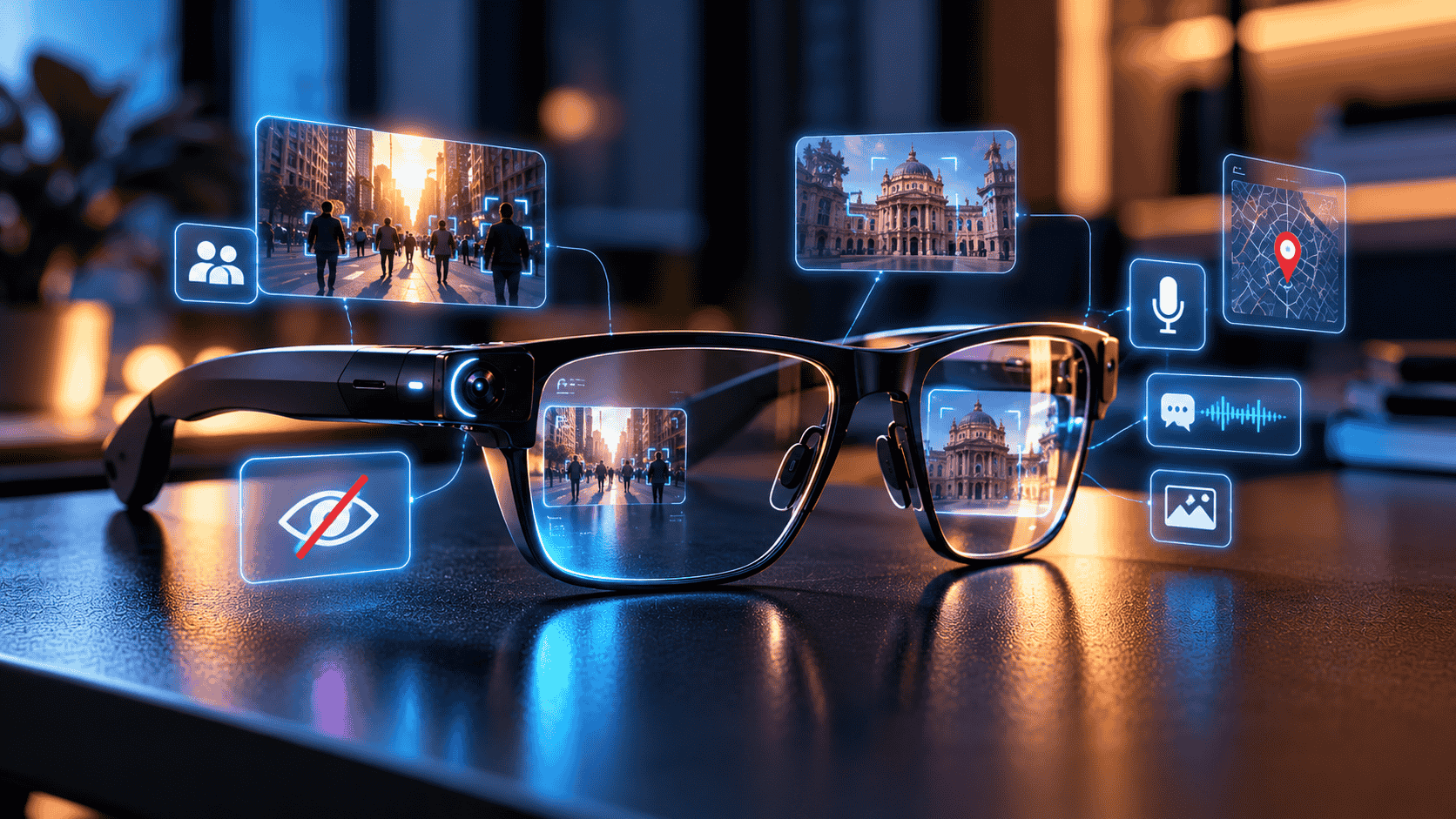
The device featured a small display positioned near the user’s eye, voice commands, a camera, and hands-free access to information.
Despite its futuristic capabilities, Google Glass faced concerns related to privacy, social acceptance, battery life, and practical usefulness.
The original consumer-focused project did not achieve widespread adoption, but the concept of smart glasses continues to evolve.
Why it was ahead of its time: It demonstrated how digital information could become accessible without constantly looking at a smartphone.
Why Do Innovative Gadgets Sometimes Fail?
Being technologically advanced does not guarantee commercial success.
Several factors can prevent innovative gadgets from becoming popular:
- High prices: Early technology is often expensive to manufacture.
- Limited infrastructure: Some devices depend on networks or services that are not widely available.
- Poor user experience: Innovative features may not be practical or easy to use.
- Market readiness: Consumers may not immediately understand why they need a new technology.
- Strong competition: Established products can make it difficult for experimental devices to succeed.
Many ideas that initially struggle become successful when technology improves and consumer habits change.
The history of technology is filled with remarkable gadgets that introduced innovative ideas before they became mainstream.
From the IBM Simon’s touchscreen capabilities to Google Glass’s vision of wearable computing, these devices challenged conventional thinking and explored new possibilities.
Not every invention became commercially successful, but each offers valuable lessons about innovation, timing, and consumer expectations.
As technology continues to advance, today’s experimental gadgets could become tomorrow’s everyday essentials.
Stay tuned to Article Basket for more updates on fascinating technology, innovative gadgets, and the inventions shaping our digital future.