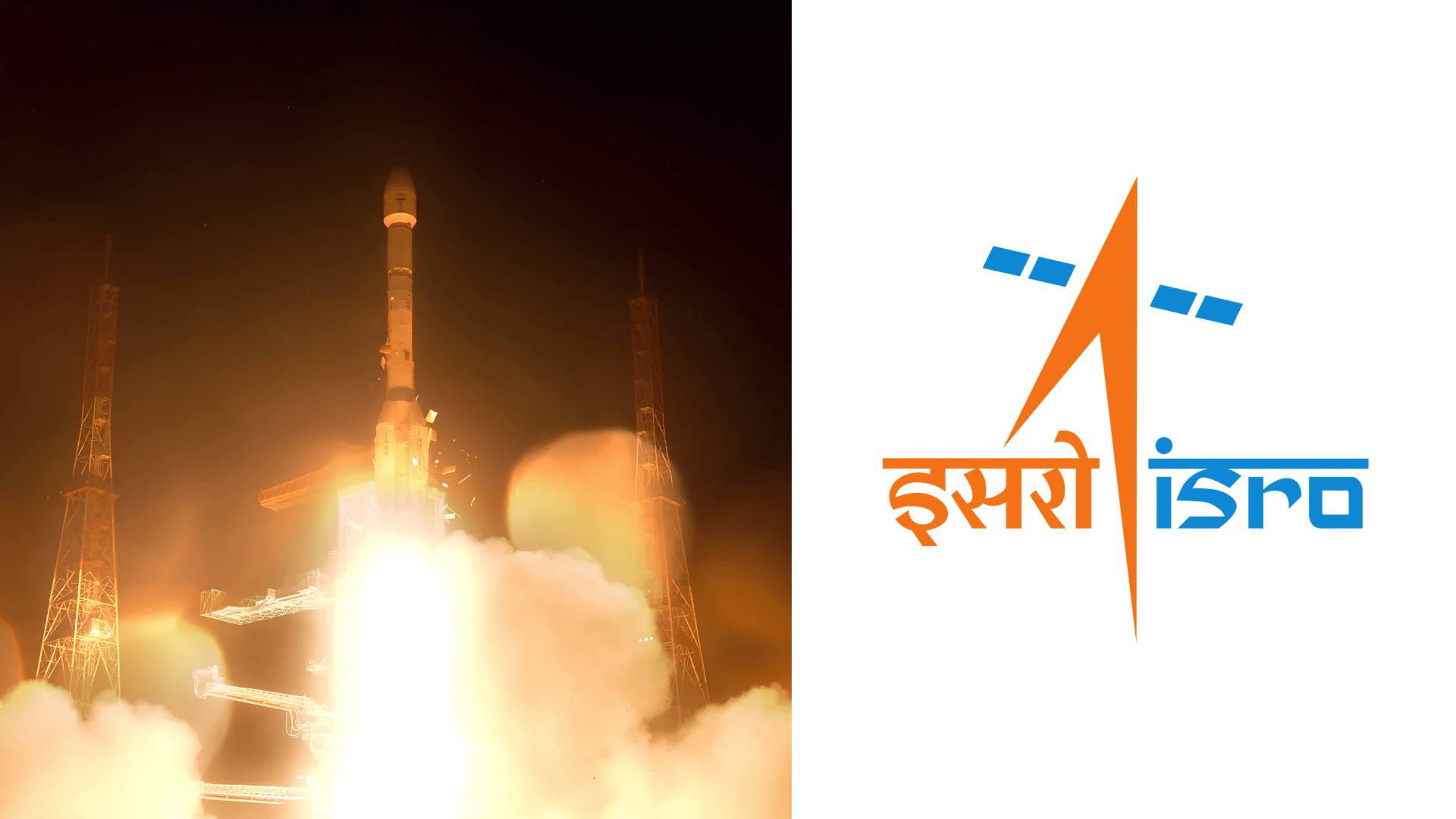
India has achieved another significant milestone in its space programme with the successful ISRO GSLV-F17 launch carrying the EOS-05 Earth observation satellite. The mission lifted off from the Satish Dhawan Space Centre in Sriharikota at 2:55 AM IST on September 4, 2026. The successful GSLV launch adds another achievement to India’s growing capabilities in satellite technology and space exploration.
The GSLV-F17 rocket carried the approximately 2,367-kg EOS-05 satellite and successfully placed it into its intended Sub-Geosynchronous Transfer Orbit. This was the 19th flight of India’s Geosynchronous Satellite Launch Vehicle, making the EOS-05 launch an important achievement for the Indian Space Research Organisation (ISRO).
The EOS-05 satellite is particularly important because it is India’s first imaging satellite designed to operate from a geosynchronous orbit. This allows it to repeatedly observe a large geographical region. Such a capability can be useful for monitoring rapidly changing conditions on Earth and strengthening India’s overall Earth observation infrastructure.
The new Earth observation satellite is expected to support several applications, including disaster management, agriculture and environmental monitoring. Satellite imagery can help authorities monitor events such as floods and cyclones, while regular observations can provide useful information about vegetation, land conditions and environmental changes.
The mission is also notable because of the history of the GSLV. The launch vehicle has earned the informal nickname “naughty boy” because of challenges faced during some earlier missions. Despite these setbacks, ISRO has continued improving the vehicle and developing the technologies required for reliable satellite launches.
A major achievement associated with the GSLV programme has been India’s progress in cryogenic propulsion technology. Cryogenic engines are technically complex and play an important role in launching heavier satellites into higher-energy orbits. Developing this technology domestically has helped India strengthen its independent access to space.
The GSLV-F17 mission is therefore significant not only because of the successful launch but also because of the new capabilities provided by EOS-05. Its geosynchronous imaging capability can provide more frequent observations of large areas, which may be valuable for civilian, environmental and strategic applications.
The satellite can also contribute to India’s strategic observation capabilities by providing information about large geographical regions, including land and maritime areas. This adds another layer to the country’s expanding space-based observation network.
Following its successful deployment, EOS-05 will undergo further orbital manoeuvres before reaching its final operational position. Once operational, the satellite is expected to provide Earth observation data for various applications.
The successful ISRO satellite launch highlights India’s continued progress in space technology. With missions covering Earth observation, communications, scientific research and human spaceflight, India’s space programme is steadily expanding.
The successful GSLV-F17 launch and EOS-05 deployment represent another important step in this journey. The mission demonstrates ISRO’s continued efforts to develop advanced satellites and reliable launch vehicles while strengthening India’s position in the global space sector.
Stay tuned to Article Basket for more updates on ISRO, space missions, satellite launches, and the latest developments in India’s space programme.