Tesla owners already know this feeling: you pay for premium tech, you drive one of the safest-feeling cars on the road, and yet your insurance still treats you like every other driver.
That is exactly the gap Lemonade is trying to fix.
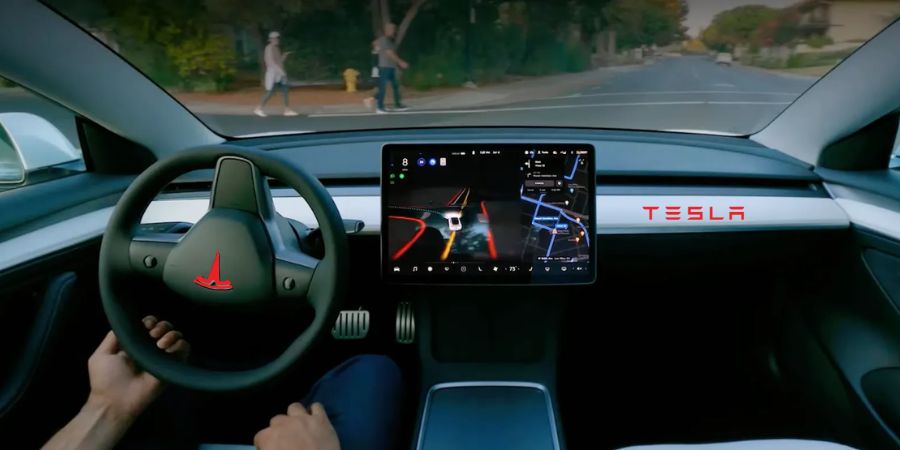
On January 21, 2026, Lemonade announced a new insurance product for Tesla Full Self-Driving customers, built specifically around how often the car is driven using Tesla’s Full Self-Driving (Supervised) system. The core promise is simple: when FSD is driving, your risk is lower, so your price should drop too.
This move is a big moment for the future of auto insurance because it reshapes the way insurers price risk. Instead of charging you based only on your age, location, and history, Lemonade is pushing toward a model where the software actually influences your premium.
Let’s break it down clearly.
What Lemonade Just Launched (And Why It Matters)
Lemonade is rolling out what it calls an Autonomous Car insurance product aimed at Tesla drivers who use Full Self-Driving (Supervised). The highlight: Lemonade says Tesla drivers could see around a 50% rate cut per mile when the vehicle is being operated with FSD.
This is structured around Lemonade’s existing pay-per-mile insurance model, where you pay based on how far you drive. Now, that cost changes depending on who is doing the driving: you or the car.
Launch states and timeline
Lemonade confirmed a phased rollout:
- Arizona starting January 26
- Oregon following in February
So yes, this is real, active, and already scheduled for release.
The Key Idea: Pricing “Human Miles” vs “FSD Miles”
Here is the smartest part of this entire insurance story.
Lemonade says it worked with Tesla to access vehicle telemetry data, allowing it to separate miles driven by a human from miles driven under FSD supervision.
That split matters because insurance has always been built around one assumption:
The human is always the risk.
Lemonade is challenging that by saying: if the system reduces crash likelihood, the price should reflect it.
And that changes everything, especially for drivers who use FSD frequently.
How the Tesla Full Self-Driving Insurance Discount Works
This new program ties pricing to FSD usage through a measurable system, which is a major shift from traditional underwriting.
What Lemonade is offering
- A 50% rate cut for miles driven while Tesla’s Full Self-Driving is steering
- The discount is connected to the insurer’s view that FSD-driven miles carry less risk
Lemonade’s co-founder said the company sees fewer accidents when Teslas are driven with FSD, and that their models can price with higher precision by connecting to Tesla’s onboard system and using sensor data.
That statement signals something even bigger than a discount: insurance pricing is becoming software-aware.
Why Lemonade Believes Full Self-Driving Lowers Risk
Lemonade’s public reasoning is built around the idea that advanced driver assistance reduces accidents, especially when the system handles speed control, lane behavior, and reaction time.
In Reuters reporting, Lemonade described FSD as lowering accident involvement, and emphasized that a system with constant awareness and fast reaction time should be priced differently than a human driver.
This fits a growing belief across the auto industry: driver assistance tools can reduce certain types of crashes, especially the ones caused by distraction, fatigue, or delayed braking.
Even so, Tesla’s Full Self-Driving is still classified as Level 2, meaning driver supervision remains required.
So Lemonade is making a pricing bet on what Tesla’s software can do today, while planning for what it might do next.
Why Traditional Insurers Struggle With Autonomous Driving Risk
Most insurance systems were built for a world where:
- Cars were mechanical
- Drivers were fully responsible
- Safety features were simple add-ons
Now cars behave more like computers.
That creates a serious problem for insurers: how do you price something that changes through software updates?
According to Reuters coverage, traditional insurers are still grappling with how to price coverage across different levels of automation, since commercializing autonomy has been harder and far more expensive than expected across the market.
Lemonade is trying to turn this confusion into a competitive advantage.
Instead of waiting for the industry to settle, they are launching a product that treats AI driving as a separate risk category.
Tesla Insurance Already Rewards FSD Usage
This part matters because Lemonade is stepping into an area Tesla already plays in.
Tesla offers its own insurance plan, and it already provides a discount (reported as up to 10% monthly) for drivers who use FSD for more than 50% of their miles.
So Lemonade’s offering is competing directly by going further and linking the savings to per-mile pricing.
For drivers, that means more options.
For the insurance market, it means pricing pressure.
The Big Line Everyone Is Watching: “As FSD Gets Safer, Prices Drop”
TechCrunch reported that Lemonade’s message is clear: the safer Full Self-Driving becomes, the more prices will fall.
That is powerful, because it flips the usual insurance experience.
Most drivers expect premiums to rise every year. Even safe drivers feel it.
Lemonade is pitching a future where your premium drops as the technology improves.
And if Tesla continues updating FSD aggressively, that could turn software improvements into real money back in a driver’s pocket.
What Tesla Drivers Should Know Before Switching
If you drive a Tesla and you use FSD regularly, this could be one of the biggest insurance pricing shifts you have seen in years. Still, it helps to keep your expectations realistic.
Here are the practical things to watch:
1) This is pay-per-mile insurance
This product is linked to Lemonade’s pay-per-mile model. So it benefits drivers who want pricing that aligns with actual usage rather than flat monthly estimates.
2) State availability matters
Right now, the rollout starts with Arizona and Oregon. Availability will likely expand, though Lemonade has not confirmed a full national timeline in the initial announcement.
3) Full Self-Driving still requires supervision
Even with the discount, FSD is still supervised driving technology. It can handle many situations, yet the driver still carries responsibility.
That means this is still regular car insurance, just priced smarter.
What this Means for the Future of Auto Insurance
Lemonade’s Tesla Full Self-Driving insurance product is bigger than one company.
It signals where the industry is headed:
Insurance becomes tied to real driving behavior and real vehicle data
Instead of general driver categories, insurance pricing starts reflecting what happens in the car in real time.
Software starts shaping the cost of ownership
Buy the system, use the system, reduce risk, pay less.
That makes the technology feel more valuable, because it changes your monthly costs beyond fuel savings or maintenance.
AI driving will force new “driver responsibility” rules
As insurers treat AI miles differently, regulators and lawmakers will be pushed to clarify what responsibility looks like when software controls the vehicle.
Conclusion
Lemonade’s new insurance product for Tesla Full Self-Driving customers is a bold move, and it targets a real pain point: drivers paying premium rates even while using advanced safety tech.
For Tesla owners who rely on FSD supervision daily, the idea of a 50% per-mile rate cut is huge.
More importantly, the strategy behind it is what makes this story worth watching.
Lemonade is building an insurance model that finally treats software-driven miles differently from human-driven miles, using Tesla telemetry data to price risk with more precision.
If this works, it will push the entire insurance industry to evolve faster. And drivers will be the ones who win.