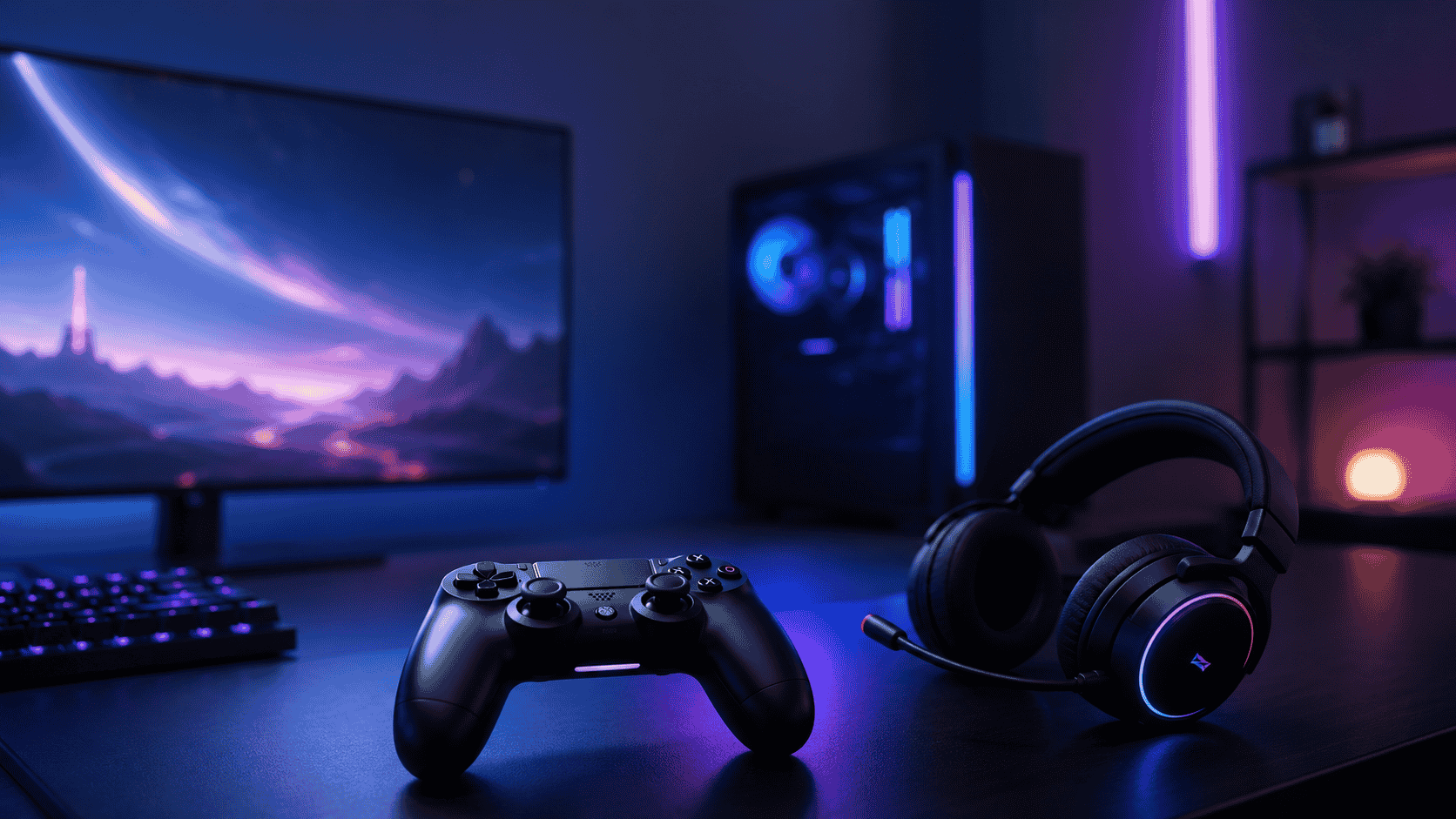
Gaming is no longer just about consoles, PCs, and traditional video games. The industry is rapidly becoming a technology-driven ecosystem where artificial intelligence, cloud computing, esports, cross-platform play, and creator communities are changing how games are developed, distributed, and experienced.
The gaming technology trends 2026 landscape is particularly interesting because several technologies that once seemed futuristic are becoming practical parts of everyday gaming. AI-powered game development, cloud gaming services, intelligent NPCs, cross-platform ecosystems, and competitive gaming are all influencing what players can expect from the next generation of games.
According to industry research, generative AI, user-generated content, cloud gaming, and platform convergence are expected to play major roles in the future of gaming.
So, what are the biggest gaming trends in 2026, and how could they shape the future of the industry?
1. AI in Gaming Is Becoming a Major Industry Trend
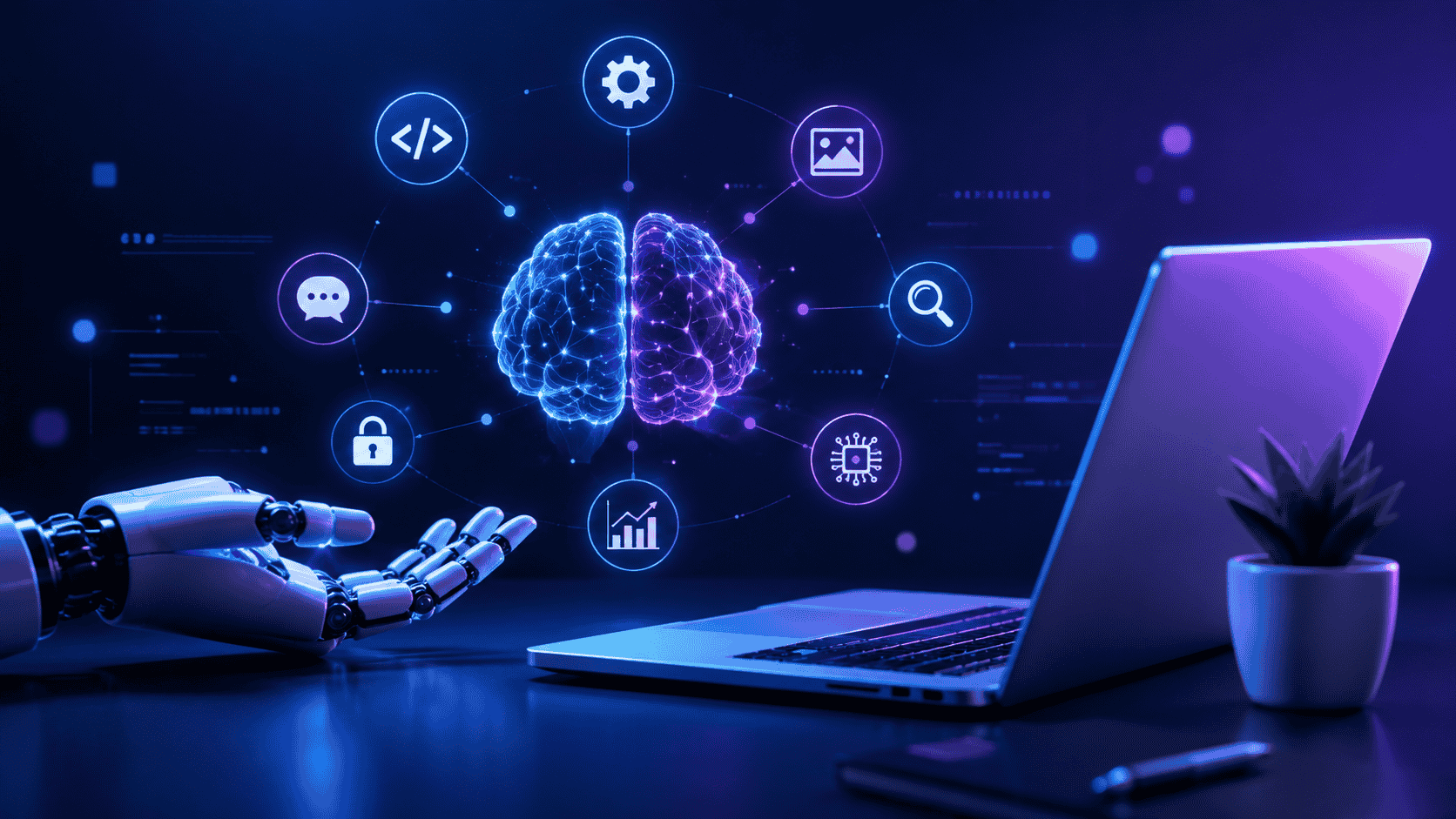
Artificial intelligence is one of the biggest developments influencing the gaming industry.
Game developers are increasingly experimenting with AI for areas such as character behavior, automated testing, asset creation, dialogue generation, game balancing, and development workflows.
One particularly interesting application is AI-powered NPCs. Instead of characters following a limited set of predetermined responses, AI can potentially make non-player characters more dynamic and responsive to player actions.
This could make game worlds feel more interactive and less predictable.
AI is also being used behind the scenes. Developers can use AI-assisted tools to speed up certain development processes, test games, generate early concepts, and automate repetitive tasks.
The 2026 game-development conversation has increasingly shifted from whether AI can be used to how studios should implement it effectively.
For players, this could eventually mean games with more responsive worlds, smarter enemies, personalized experiences, and increasingly dynamic gameplay.
2. Cloud Gaming Could Change How Games Are Played
Another major gaming technology trend 2026 is the continued growth of cloud gaming.
Traditionally, playing high-end games required expensive hardware such as gaming PCs or powerful consoles. Cloud gaming changes this model by moving much of the processing to remote servers and streaming gameplay to supported devices.
This creates the possibility of playing demanding games without owning the latest hardware.
Cloud gaming is also helping push the industry toward a more hardware-independent ecosystem. Players can potentially move between devices while maintaining access to their games and progress.
Research from BCG indicates that cloud gaming is moving toward a more hardware-agnostic future, with the company projecting significant growth in cloud gaming revenue through 2030.
However, internet speed, latency, infrastructure, pricing, and availability will remain important factors in determining how quickly cloud gaming becomes mainstream.
3. Cross-Platform Gaming Is Becoming the New Normal
The traditional separation between PC, console, and mobile gaming is becoming less important.
Players increasingly expect games to support cross-platform experiences, allowing friends on different devices to play together.
This shift is particularly important for multiplayer and competitive games because communities become larger when players are not restricted to a single platform.
Cross-platform progression can also allow players to maintain their progress, purchases, and achievements across multiple devices.
The broader gaming industry is moving toward platform convergence, with the boundaries between console, PC, mobile, and cloud gaming becoming increasingly blurred.
For gamers, this could mean greater flexibility and fewer restrictions when choosing gaming hardware.
4. Esports Is Expanding Beyond Competitive Gaming
The esports industry is also evolving rapidly.
Competitive gaming has grown beyond small gaming communities and local tournaments. Major esports events now combine professional players, streaming platforms, sponsors, entertainment brands, content creators, and large online communities.
In 2026, esports is increasingly being treated as part of the broader entertainment ecosystem.
AI is also beginning to influence esports through performance analytics, automated highlights, coaching tools, and real-time data analysis.
This creates new opportunities not only for professional players but also for coaches, analysts, streamers, content creators, tournament organizers, broadcasters, and technology companies.
As esports continues to professionalize, competitive gaming could become even more closely connected with traditional sports and entertainment.
5. Gaming and the Creator Economy Are Becoming More Connected
One of the biggest changes in modern gaming is the rise of the gaming creator.
Players are no longer simply consumers. Many are also streamers, YouTubers, esports personalities, modders, community managers, and game-content creators.
Games that provide tools for users to create their own experiences can build powerful communities around a title.
User-generated content is becoming increasingly important to gaming engagement. BCG has identified the creator economy and user-generated content as important drivers of future gaming growth.
This means future games may compete not only on graphics and gameplay but also on how effectively they allow players to create, share, and participate.
6. Mobile Gaming Continues to Influence the Industry
Mobile gaming remains an important part of the global gaming ecosystem.
Smartphones have made gaming accessible to billions of people, while improvements in mobile processors, graphics, connectivity, and cloud infrastructure continue to expand what is possible on smaller devices.
The growing relationship between mobile, PC, console, and cloud gaming could also make it easier for players to move between different gaming environments.
For developers, mobile gaming offers a massive potential audience. For players, it means more sophisticated games can increasingly be accessed without dedicated gaming hardware.
7. Gaming Technology Is Becoming More Immersive
Another important direction for the future of gaming is immersive technology.
Virtual reality, augmented reality, advanced graphics engines, spatial audio, and more responsive interfaces are creating new possibilities for interactive entertainment.
While mainstream adoption of every immersive technology is not guaranteed, developers continue to explore ways to make gaming experiences feel more realistic and interactive.
Combined with AI, these technologies could eventually create virtual environments that react dynamically to individual players.
The result could be gaming experiences that feel less like traditional software and more like persistent digital worlds.
8. The Gaming Industry Is Moving Toward Smarter Personalization
Personalization is another area where AI and data can influence gaming.
Future games could potentially adjust difficulty, recommendations, content, and gameplay experiences according to individual player behavior.
For example, an intelligent game system could recognize when a player is struggling and dynamically adjust certain elements of the experience.
Personalization could also influence game recommendations, in-game events, matchmaking, and content discovery.
However, developers will need to balance personalization with player privacy, transparency, and fair gameplay.
What Does the Future of Gaming Look Like?
The biggest gaming trends 2026 are not happening independently.
AI is influencing game development.
Cloud gaming is changing how games are delivered.
Cross-platform technology is connecting players across devices.
Esports is turning competitive gaming into a broader entertainment business.
Creator platforms are allowing players to become part of the content ecosystem.
Together, these technologies are creating a gaming industry that is more connected, accessible, intelligent, and interactive.
The future of gaming may therefore be less about choosing between PC, console, or mobile and more about moving seamlessly between different gaming ecosystems.
The gaming technology trends 2026 landscape shows that the industry is entering a new phase.
AI, cloud gaming, esports, cross-platform gaming, user-generated content, and immersive technologies are changing both the player experience and the business behind games.
For gamers, this could mean smarter characters, more accessible gaming, larger communities, and increasingly personalized experiences.
For developers and businesses, it represents a major shift in how games are created, distributed, monetized, and marketed.
The next generation of gaming will not be defined by one technology alone. Instead, it will be shaped by how these technologies work together.
And that could make the coming years some of the most interesting in gaming history.